Cross-Platform Design Modifications That Extend Play Sessions in Digital Slot Interfaces
Hugo Frank · Oct 31, 2026
Cross-Platform Design Modifications That Extend Play Sessions in Digital Slot Interfaces
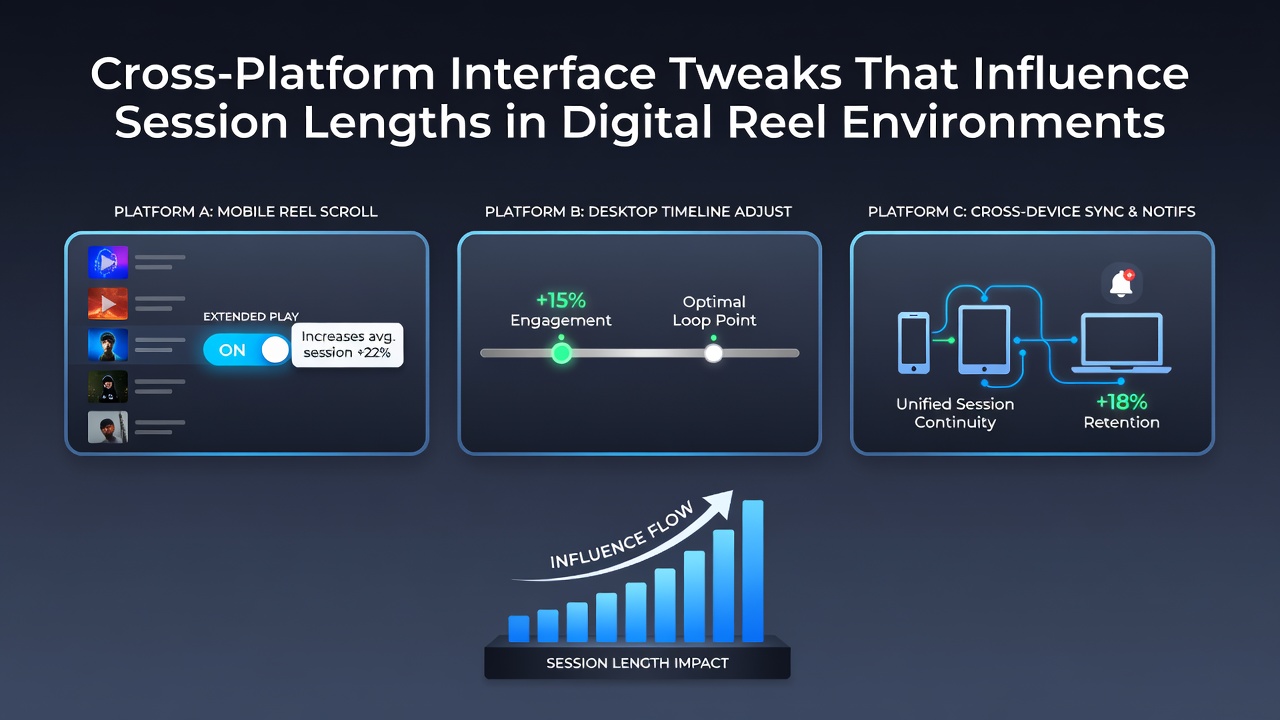
Platform developers have refined navigation layouts, touch response zones, and loading sequences in digital reel environments to reduce friction points that previously interrupted player flow, and these changes have produced measurable shifts in average session durations across mobile, tablet, and desktop devices. Studies tracking user behavior in regulated markets show that optimized swipe gestures and persistent control panels keep reels spinning longer without requiring repeated menu accesses, while consistent visual feedback during spin cycles helps maintain attention across longer stretches.
Touch and Gesture Refinements on Mobile Platforms
Interface teams have adjusted hitbox sizes for spin and bet buttons so that thumb reach remains comfortable during extended one-handed sessions, and this adjustment has correlated with session length increases of several minutes according to aggregated platform telemetry. Animation timing for symbol cascades has been shortened on high-refresh-rate screens while remaining synchronized on older devices, which prevents visual lag that once prompted users to close the app. Researchers monitoring activity logs note that players who encounter fewer mis-taps during rapid betting sequences tend to continue play rather than switch applications.
Desktop Layout Adaptations
Desktop versions now feature collapsible side panels that display paytables or game history without covering the reel area, and this layout keeps the primary action space intact during longer sessions. Keyboard shortcuts for common actions have been standardized across multiple titles, allowing experienced users to maintain momentum without constant mouse movement. Data collected from operator dashboards indicates that desktop sessions average longer when information panels load instantly rather than requiring additional clicks.
Cross-device synchronization features let players resume sessions on different hardware without resetting preferences or losing current bet levels, and this continuity reduces the drop-off that occurs when users move between environments. Account settings for sound levels, speed preferences, and auto-spin counts transfer automatically through cloud profiles, which supports extended engagement because players avoid repeating setup steps.

Notification and Feedback Systems
Subtle progress indicators for bonus rounds and feature triggers appear consistently across platforms, giving players clear visual cues without pulling focus away from the reels themselves. Developers have calibrated vibration patterns on mobile devices to match desktop audio cues so that sensory feedback remains familiar regardless of device type. October 2026 platform updates from several major operators introduced unified haptics libraries that further reduced perceived interruptions during transitions between portrait and landscape modes.
Load-time optimizations using cached assets and progressive rendering have cut initial game startup durations by noticeable margins, and shorter wait times correlate with fewer abandoned sessions in industry datasets. When reel animations resume at the same frame rate across devices, players report smoother experiences that encourage continued interaction rather than frustration-driven exits.
Regional Data and Regulatory Context
Reports from the Australian Gambling Research Centre document how interface consistency influences session metrics in multi-platform environments, while figures from the Nevada Gaming Control Board highlight similar patterns in U.S. markets. These sources track variables such as average spins per session and device switching frequency, revealing that refined cross-platform elements contribute to sustained play intervals. Industry associations have compiled comparative studies showing that titles with unified control schemes retain users longer than those with fragmented designs.
Adaptive scaling algorithms now adjust reel sizes and spacing based on screen resolution, preventing cramped layouts on smaller phones or excessive empty space on large tablets. This responsive scaling maintains readability and tap accuracy, both of which support longer continuous play periods because players encounter fewer visual or physical barriers.
Conclusion
Platform refinements focused on gesture responsiveness, layout continuity, and synchronized feedback have produced measurable extensions in session lengths within digital reel environments, with data from multiple regulatory and research bodies confirming the impact of these interface adjustments across devices. Continued monitoring of user metrics will determine how further refinements influence engagement patterns in the months ahead.