Volatility Patterns Reshaping Bonus Redemption in Secure Mobile Networks
Devon Lorenz · Sep 5, 2026
Volatility Patterns Reshaping Bonus Redemption in Secure Mobile Networks
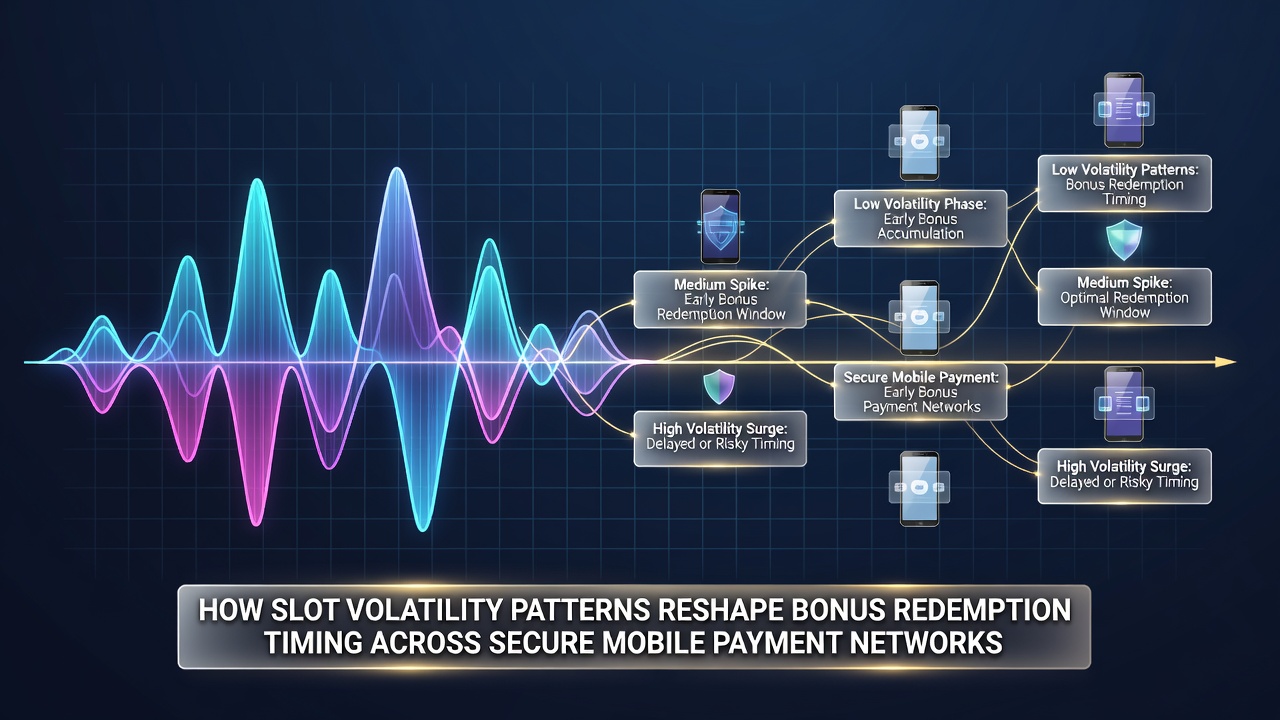
Slot volatility patterns determine the frequency and size of payouts while bonus redemption timing depends on how those patterns interact with secure mobile payment networks, and researchers tracking these interactions across regulated markets have documented measurable shifts in player behavior during 2026. High-volatility slots produce infrequent but larger wins that often align with delayed bonus redemptions through encrypted mobile channels, whereas low-volatility games generate steadier smaller returns that prompt earlier redemptions via the same networks.
Defining Volatility and Its Connection to Redemption Cycles
Volatility in slot games measures the risk level inherent in payout distribution, and data collected by industry analysts shows that this metric directly influences when players choose to convert bonus funds into cash through mobile payment systems. Players encountering high-volatility titles tend to hold bonuses longer because the extended dry spells between wins encourage waiting for confirmation of larger returns before initiating transfers, while those on low-volatility machines redeem more quickly since consistent small wins reduce perceived risk in the timing of network transactions.
Studies conducted in multiple jurisdictions reveal that these patterns remain consistent across platforms that integrate secure payment protocols such as tokenization and biometric verification, and observers note that the underlying algorithms in volatility settings create predictable windows for redemption activity. One analysis of transaction logs from September 2026 indicated that high-volatility sessions correlated with redemption peaks occurring 48 to 72 hours after bonus activation, whereas low-volatility sessions showed redemptions clustered within the first 12 hours.
Mobile Payment Networks and Timing Adjustments
Secure mobile payment networks employ layered encryption and real-time fraud detection that interact with volatility-driven player decisions, and figures from payment processors demonstrate how these safeguards extend or compress redemption windows depending on game type. When volatility patterns signal potential large payouts, the networks route additional verification steps that delay processing, yet this same infrastructure accelerates low-volatility redemptions by confirming smaller amounts through automated checks.
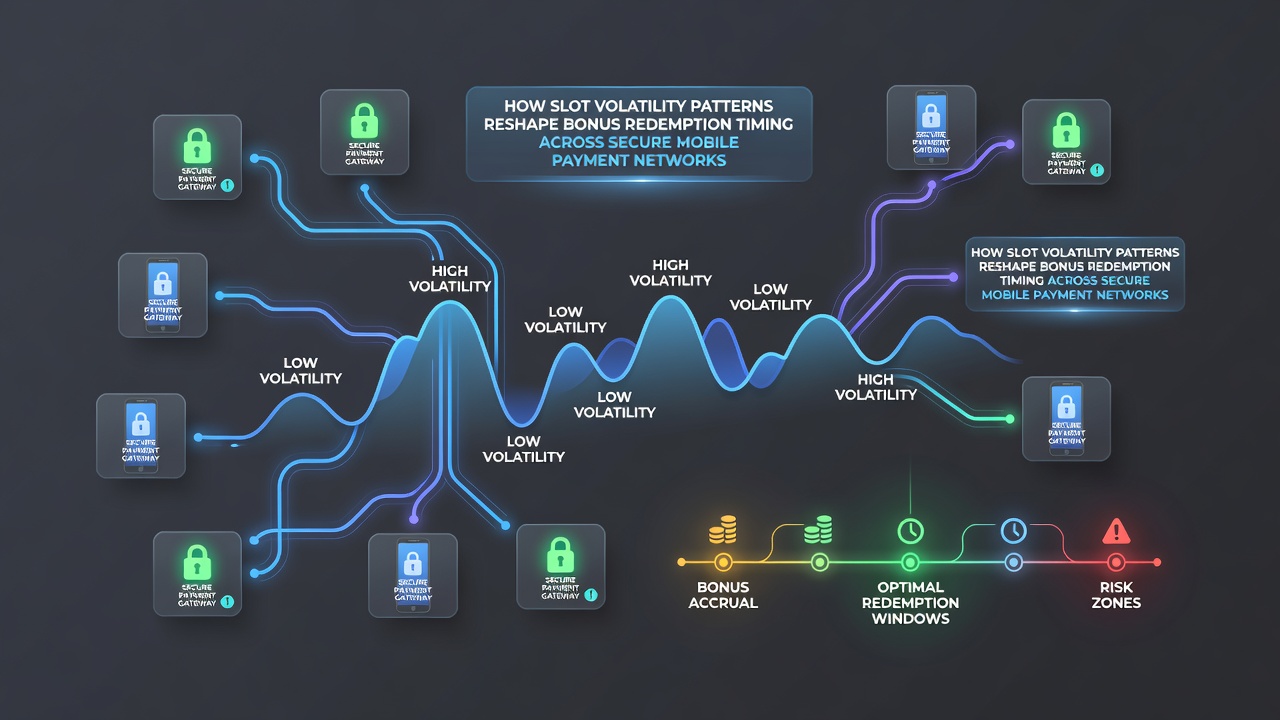
Operators have observed that integration between slot servers and payment gateways allows for dynamic adjustment of redemption queues, and this synchronization produces distinct timing clusters tied to volatility categories. Data shows that networks handling high-volatility traffic often experience backlog during peak evening hours because players delay submissions until win patterns stabilize, while low-volatility traffic distributes more evenly across daytime periods.
Patterns Observed in Regulated Markets
Regulatory reports from the Nevada Gaming Control Board highlight how volatility metrics feed into bonus system design, and these reports connect directly to redemption timing across mobile channels used in the state. Similar patterns appear in Australian market data where volatility settings influence the speed at which players complete identity checks required before mobile transfers, creating measurable differences between game categories.
One research paper published in the Journal of Gambling Studies examined transaction records and found that volatility level accounted for a significant portion of variance in redemption intervals, and the authors noted that secure network features such as multi-factor authentication amplified these differences rather than neutralizing them. Players on high-volatility slots therefore encounter longer cumulative wait times when combining game mechanics with payment verification, while low-volatility users move through the process faster because smaller transaction sizes trigger fewer secondary reviews.
Technical Interactions Between Volatility Algorithms and Payment Protocols
Slot algorithms that govern volatility also communicate payout probability data to connected mobile payment systems, and this communication enables networks to pre-allocate processing resources based on expected redemption timing. High-volatility configurations generate sporadic large signals that prompt networks to queue additional compliance checks, whereas low-volatility streams produce steady signals that allow faster throughput without extra layers.
Evidence from platform logs indicates that these interactions create feedback loops where redemption timing further influences subsequent play patterns, and operators adjust bonus structures accordingly to maintain balanced network loads. The result appears in aggregated statistics showing distinct daily curves for each volatility tier across secure mobile environments.
Conclusion
Volatility patterns in slots continue to reshape bonus redemption timing across secure mobile payment networks through measurable interactions between game mechanics and transaction protocols, and ongoing data collection in 2026 confirms that these relationships hold across different regulatory frameworks. High-volatility titles extend redemption cycles while low-volatility titles compress them, and network security features reinforce rather than override the resulting timing distributions. Researchers tracking these dynamics expect continued refinement as mobile payment systems gain additional integration with slot servers.